Creating a home office that is both comfortable and productive can make a significant difference in how you work and feel throughout the day. Whether you have a dedicated room or just a small corner to set up your workspace, the right environment can boost your focus, reduce stress, and help maintain a good work-life balance.
In this post, we’ll explore practical tips and ideas to help you design a home office tailored to your needs. From choosing the right furniture to managing lighting and organisation, these suggestions will guide you in creating an ideal workspace at home.
1. Choose the Right Location
Consider natural light
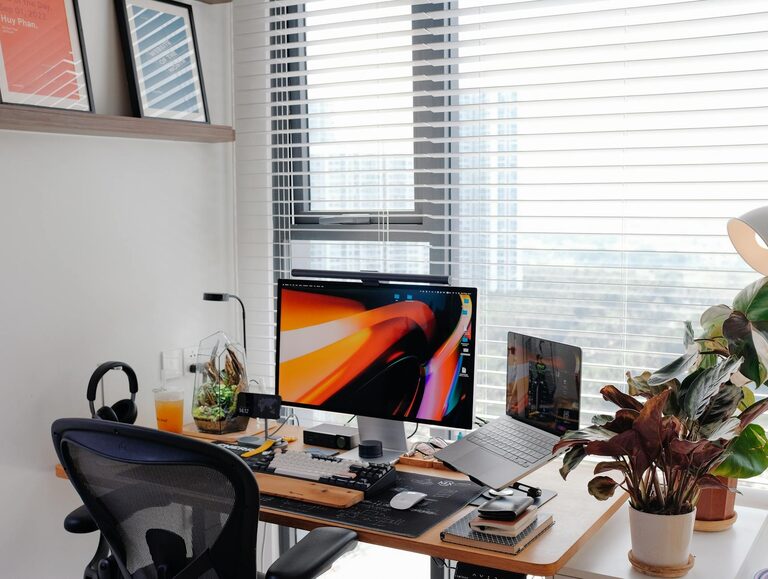
Selecting a spot that receives plenty of natural light can energise your workday and reduce eye strain. Try to place your desk near a window where you can enjoy daylight without glare on your computer screen.
Minimise distractions
Pick a quiet area away from household traffic and noise. If space is limited, consider noise-cancelling headphones or soundproofing solutions like heavy curtains to create a distraction-free zone.
2. Invest in Ergonomic Furniture
Select a supportive chair
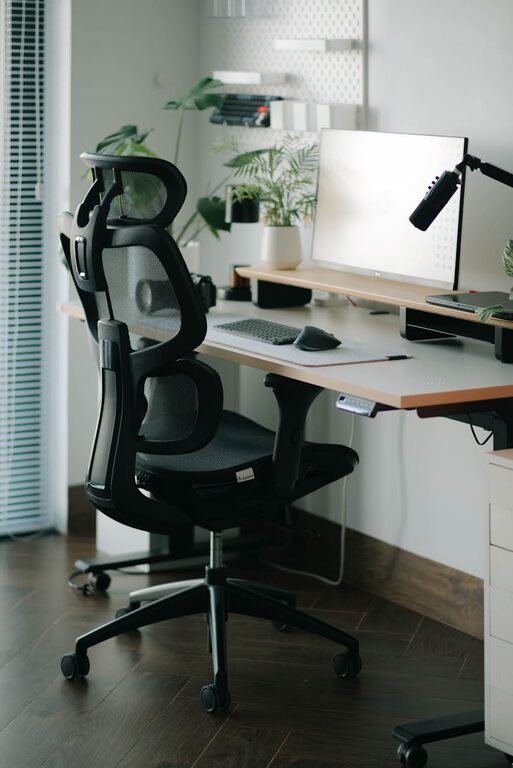
Comfort is key for long hours at a desk. Use an adjustable chair that provides support for your lower back, encourages good posture, and allows your feet to rest flat on the floor.
Choose the right desk
Your desk should offer enough space for your computer, essential tools, and paperwork without feeling cluttered. Adjustable desks that allow standing or sitting can also promote movement and reduce fatigue.
3. Optimise Lighting
Use a mix of lighting
Combine natural light with different sources like overhead lighting and a quality desk lamp. Having adjustable lighting helps reduce eye strain and creates an inviting atmosphere.
Avoid glare
Position your screen and lighting to prevent glare, which can cause headaches and tired eyes. Use blinds or curtains to manage sunlight when it becomes too intense.
4. Personalise Your Space
Adding personal touches can make your home office a more enjoyable and inspiring place.
– Decorate with plants: Indoor plants not only add a pop of colour but also improve air quality and boost mood.
– Add artwork or photos: Choose calm or motivating images to personalise your space and create a pleasant environment.
– Choose a calming colour scheme: Soft, neutral tones tend to reduce stress, while pops of colour can energise and stimulate creativity.
5. Keep Your Workspace Organised
Declutter regularly
A tidy desk helps reduce distractions and makes it easier to focus. Keep only essential items within reach and store the rest neatly.
Use storage solutions
Invest in shelves, drawers, and organisers to keep papers, stationery, and equipment organised. Label boxes or files for quick access.
Manage cables
Use cable organisers or clips to keep wires tidy and prevent tangling. A neat setup not only looks better but also minimises hazards.
6. Set Boundaries Between Work and Home Life
Define your work hours
Set a consistent schedule to start and stop work, giving yourself clear boundaries to relax and recharge.
Create a transition ritual
To switch off at the end of the day, consider developing a routine such as tidying your desk, shutting down your computer, or going for a short walk.
Maintain your work area
At the end of each day, take a few minutes to reset your workspace. A clean environment helps you begin the next day with clarity and motivation.
7. Incorporate Technology Wisely
Choose reliable equipment
Invest in a good-quality computer, headset, and internet connection to minimise technical issues and maintain productivity.
Utilise productivity apps
Apps for task management, note-taking, or time tracking can help you stay organised and focused throughout the day.
Keep ergonomics in mind
Adjust the height and distance of your monitor to prevent neck and eye strain. Use external keyboards or mouse devices if needed for comfort.
8. Pay Attention to Comfort and Health
Take regular breaks
Standing up, stretching, and moving around every hour helps reduce muscle stiffness and improves circulation.
Control temperature and ventilation
Ensure your workspace is well-ventilated and maintain a comfortable temperature. Poor air quality or extreme temperatures can affect concentration and wellbeing.
Stay hydrated and snack smartly
Keep water nearby and have healthy snacks on hand to maintain energy levels during your workday.
—
Creating a comfortable and productive home office space is about designing an environment that supports your work habits and promotes wellbeing. By combining functional furniture, good lighting, personal touches, and organised systems, you can transform your home workspace into a place you enjoy spending time in—boosting your efficiency and satisfaction every day.
About the Author