Creating a home office that combines comfort with productivity is essential, especially as many people continue to work remotely. A well-designed workspace can boost focus, reduce stress, and make working from home more enjoyable. Whether you have a dedicated room or a small corner to transform, the following tips will help you craft a cosy and practical home office tailored to your needs.
1. Choose the Right Location
Selecting the best spot for your home office is the foundation of a productive workspace.
– Natural Light: Position your desk near a window if possible. Natural light improves mood and energy, making long hours more pleasant.
– Quiet Area: Find a space away from household noise or distractions to enhance concentration.
– Space Considerations: Ensure you have enough room to accommodate your furniture and move comfortably.
If space is limited, consider creative options like a fold-away desk or a dedicated nook.
2. Invest in Ergonomic Furniture
Comfort directly impacts productivity. Avoid discomfort by using ergonomic furniture designed for prolonged use.
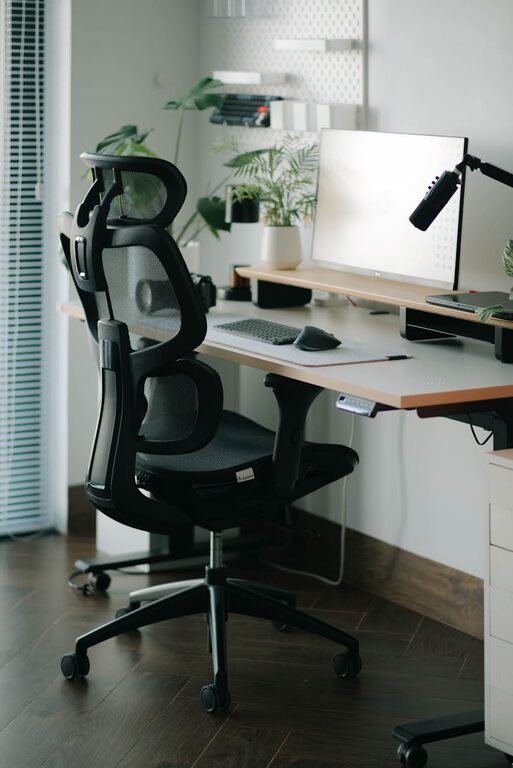
– Supportive Chair: Choose a chair with good lumbar support and adjustable height. Your feet should rest flat on the floor.
– Desk Height: Your desk should allow your arms to rest at about a 90-degree angle when typing.
– Accessories: Consider a footrest, wrist supports, or adjustable monitor stands to reduce strain.
Good ergonomics reduce fatigue and help maintain focus throughout the day.
3. Organise Your Space Wisely
A tidy environment promotes clear thinking and efficiency.
– Declutter Regularly: Remove unnecessary items to keep your desk clean.
– Storage Solutions: Use shelves, filing cabinets, or storage boxes to keep documents and supplies organised.
– Cable Management: Tidy cables with clips or covers to avoid distractions and hazards.
An organised office reduces time spent searching for items and creates a calming atmosphere.
4. Personalise Your Workspace
Making the space your own helps motivate and comfort you during working hours.
– Colours: Use colours that inspire you—soothing blues or energising greens can set the right mood.
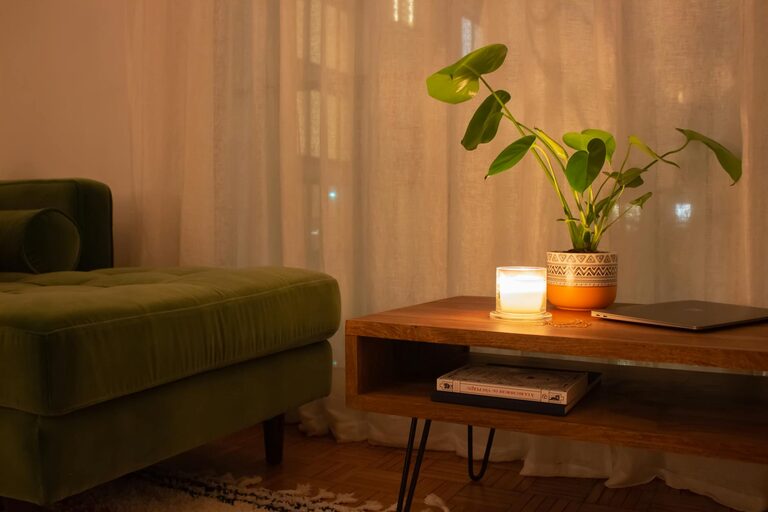
– Decor: Add art, plants, or photos that make you feel happy and relaxed.
– Lighting: Besides natural light, invest in adjustable lighting. Desk lamps with warm light can reduce eye strain.
However, keep personal touches balanced to avoid clutter.
5. Control Noise Levels
A peaceful environment aids concentration.
– Noise-Cancelling Headphones: Useful for blocking distractions if your home is noisy.
– Soft Furnishings: Rugs, curtains, and cushions absorb sound and create a cosy feeling.
– White Noise: Some people find white noise machines helpful to maintain focus.
Managing noise effectively can make your workspace more inviting and less stressful.
6. Incorporate Plants
Plants offer several benefits for your home office.
– Air Quality: Many houseplants improve indoor air quality.
– Aesthetics: Greenery adds life and colour.
– Mood Boost: Caring for plants and having nature nearby can reduce stress.
Choose low-maintenance varieties if you’re new to plant care.
7. Establish Boundaries and Routine
Finally, a productive home office depends as much on behaviour as on the physical setup.
– Set Work Hours: Define and stick to specific work times to maintain balance.
– Breaks: Take regular breaks to rest your eyes and move around.
– Separate Workspace: Try to keep your home office distinct from relaxation areas to mentally separate work and leisure.
Creating clear boundaries helps maintain productivity and supports wellbeing.
—
By combining thoughtful design with disciplined habits, your home office can become a cosy haven that nurtures productivity. Pay attention to comfort, organisation, and personal touches to create a space that motivates you day after day. With these practical tips, your home workspace will not only look inviting but also support your best work.
About the Author