
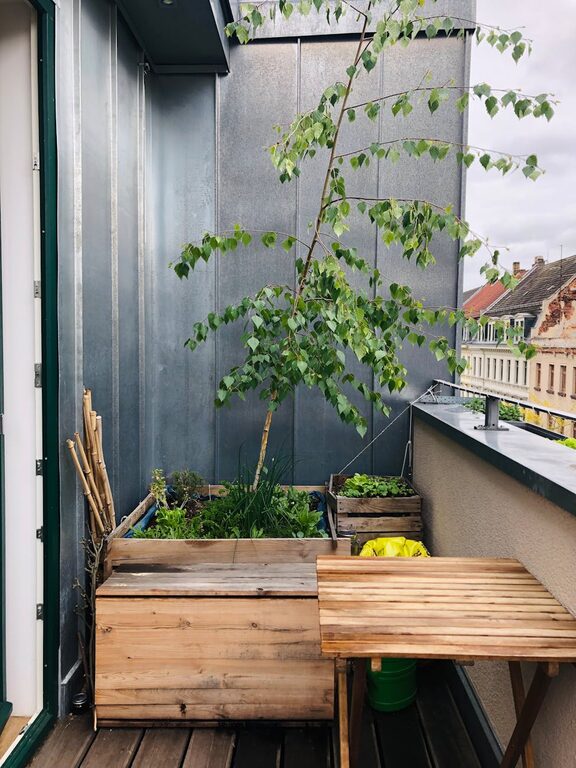
Gardening in urban environments often comes with unique challenges, especially when space is limited. However, sustainable gardening practices can transform even the smallest balcony, windowsill, or courtyard into a thriving, eco-friendly green space. This beginner’s guide will help you start your sustainable garden journey with easy and practical tips tailored to small urban areas.
Why Choose Sustainable Gardening?
Sustainable gardening involves growing plants in ways that are environmentally friendly, conserve resources, and support local wildlife. For urban gardeners, sustainability means smart resource use, minimising waste, and creating healthy habitats despite space constraints.
Benefits include:
– Reducing your carbon footprint
– Saving water and energy
– Enhancing biodiversity
– Growing healthy plants without harmful chemicals
– Connecting with nature in busy city life
Getting Started: Assess Your Space
Before planting, take time to understand your urban garden’s conditions.
Light Exposure
Observe how much sunlight your area receives daily. Full sun (6+ hours) suits most vegetables and flowering plants, while shaded spots work for herbs and leafy greens.
Space and Containers
Identify all available spaces: windowsills, balconies, rooftops, or even vertical walls. Consider containers like pots, window boxes, or recycled materials to maximise planting area.
Water Availability
Check access to water. Using rainwater collection systems or watering cans can help maintain sustainable water use.
Sustainable Gardening Practices for Small Urban Spaces
1. Choose Native and Adapted Plants
Opt for native species or plants that thrive in your climate and soil. They require less water, need fewer pesticides, and support local insects and pollinators.
Examples for UK urban spaces include lavender, herbs like rosemary and thyme, foxgloves, and wildflowers suited to container gardening.
2. Use Organic and Local Compost
Instead of synthetic fertilisers, enrich your soil with organic compost. You can make your own using kitchen scraps and garden waste or buy locally produced compost to limit transportation emissions.
3. Practice Water Conservation
Water wisely to avoid waste:
– Use drip irrigation or watering cans rather than hoses.
– Water plants early morning or late evening to reduce evaporation.
– Mulch soil surfaces with organic materials like straw or bark to retain moisture.
4. Reuse and Recycle Materials
Create planters from reclaimed wood, old tins, or plastic bottles. Using recycled materials cuts waste and adds character to your garden.
5. Embrace Vertical Gardening
Vertical gardening maximises space by growing upwards.
– Use trellises for climbing plants such as beans or peas.
– Install wall-mounted planters or hanging baskets.
– Vertical gardens can also improve air quality and insulate buildings.
6. Encourage Biodiversity
Invite beneficial insects like ladybirds, bees, and butterflies by growing a variety of flowering plants. Avoid pesticides and provide small water sources or habitats like mini ponds or log piles.
7. Grow Edibles
Incorporate herbs, salad greens, tomatoes, or strawberries to enjoy homegrown food. Growing edibles reduces packaging waste and connects you with your food source.
Tips for Maintaining Your Urban Sustainable Garden
– Regularly check plant health for pests or nutrient needs. Natural remedies like neem oil or companion planting help control pests without chemicals.
– Rotate crops and plants seasonally to keep soil healthy.
– Keep a garden journal to track what works best in your space.
– Harvest rainwater if possible to reduce mains water use.
– Join local gardening groups or online communities to share tips and seeds.
Overcoming Common Challenges
Limited Space
Use stacking planters or grow microgreens indoors under grow lights.
Pollution
Place plants away from busy roads when possible and use indoor plants that help purify air.
Time Constraints
Choose low-maintenance plants like succulents or herbs that require minimal care.
Final Thoughts
Sustainable gardening in small urban spaces is not only achievable but rewarding. By making thoughtful choices about plants, materials, and care methods, you can create a green oasis that benefits you and the environment. Start small, experiment with different techniques, and enjoy the process of nurturing your urban garden sustainably.
Happy gardening!
About the Author