Working from home has become increasingly common, and having a well-designed home office can make all the difference. A space that promotes both relaxation and productivity supports your focus, reduces stress, and improves overall work satisfaction. Here are some practical tips to help you create the perfect home office environment.
Choose the Right Space
Find a Quiet and Comfortable Area
Selecting the best location for your office is critical. Look for a quiet corner or room with minimal distractions. If possible, choose a space with natural light, which can boost mood and energy levels.
Separate Work and Leisure Zones
Try to designate your workspace away from areas associated with relaxation, such as the living room or bedroom. This helps maintain a clear boundary between work time and downtime.
Invest in Quality Furniture
Ergonomic Chair and Desk
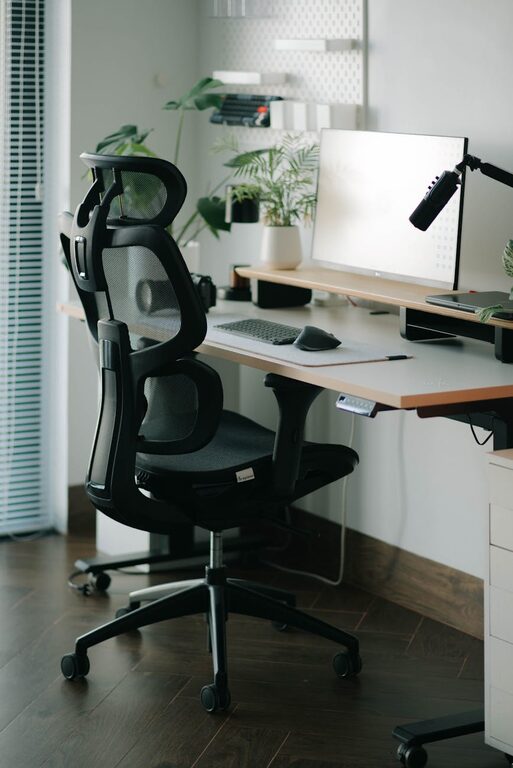
Comfort is key when working for long hours. An ergonomic chair with proper lumbar support helps maintain good posture and reduces back pain. Pair it with a desk at the right height to avoid strain on your shoulders and wrists.
Consider Adjustable Options
Height-adjustable desks allow you to alternate between sitting and standing, which can increase energy and reduce fatigue.
Optimise Lighting
Maximise Natural Light
Position your desk near a window to benefit from daylight, which can enhance mood and productivity. Use light, airy curtains to control glare without blocking natural light.
Use Task Lighting
In addition to general room lighting, a desk lamp with adjustable brightness directs light where it’s needed, reducing eye strain.
Organise Your Workspace
Declutter Regularly
A tidy workspace reduces distractions and creates a calming atmosphere. Keep only essential items on your desk to maintain focus.
Use Storage Solutions
Shelves, drawers, and organisers help keep documents and supplies in order. Label containers and folders to find items quickly.
Personalise Your Environment
Add Plants
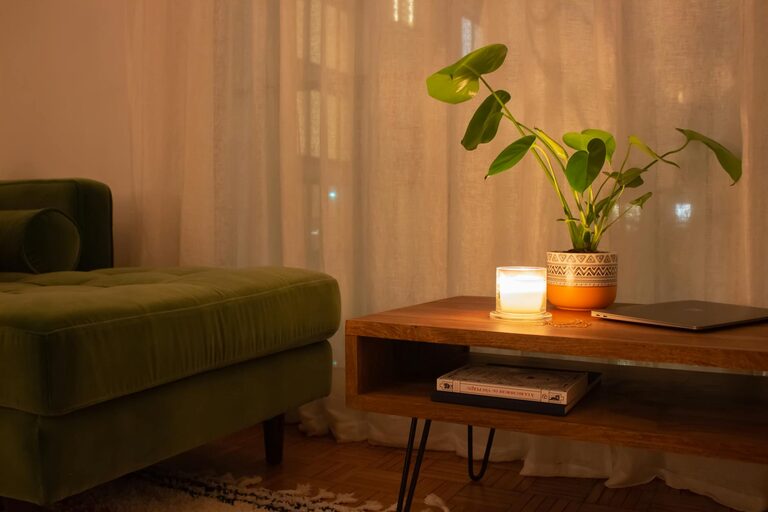
Houseplants improve air quality and bring a touch of nature indoors, which can lower stress and increase productivity.
Include Meaningful Items
Photos, artwork, or inspirational quotes can make your office feel inviting and motivate you throughout the day.
Manage Noise Levels
Minimise Distractions
Close doors, use rugs or curtains to absorb sound, and consider noise-cancelling headphones if needed.
Play Background Music
Soft instrumental music or ambient sounds can help some people concentrate and create a relaxing environment.
Control Temperature and Air Quality
Maintain a Comfortable Temperature
Keep your workspace at a comfortable temperature to avoid discomfort and maintain focus. Use fans or heaters as needed.
Ensure Good Ventilation
Fresh air improves concentration and reduces fatigue. Open windows or use air purifiers to maintain air quality.
Set Boundaries and Routine
Establish Work Hours
Set clear working times to separate professional tasks from personal time. This helps maintain balance and reduces burnout.
Take Regular Breaks
Short breaks improve productivity and reduce eye and muscle strain. Use techniques like the Pomodoro method to structure work and rest periods.
Utilise Technology Wisely
Organise Digital Files
A clutter-free digital environment organisation supports efficiency. Use folders and consistent naming conventions.
Use Productivity Tools
Calendars, task managers, and focus apps can help manage your workload and deadlines effectively.
—
Creating a home office that is both relaxing and productive is achievable with thoughtful planning. By choosing the right space, investing in comfortable furniture, organising effectively, and setting clear work boundaries, you’ll enhance your work-from-home experience significantly. Remember, the goal is a balanced environment where you feel motivated and at ease.
About the Author